Currently Empty: $0,00


Description
VR Military Training Simulators for Army, Navy & Airforce
We provide customized VR, AR, and simulator-based defence training solutions for the Army, Navy, and Air Force. Our modules cover combat, mission planning, vehicles, and safety—enhancing readiness, reducing risks, and cutting costs. Trusted globally, we’ve trained 30,000+ personnel with immersive, cost-effective, and realistic military training systems.
VR Excavators Simulator For Defence
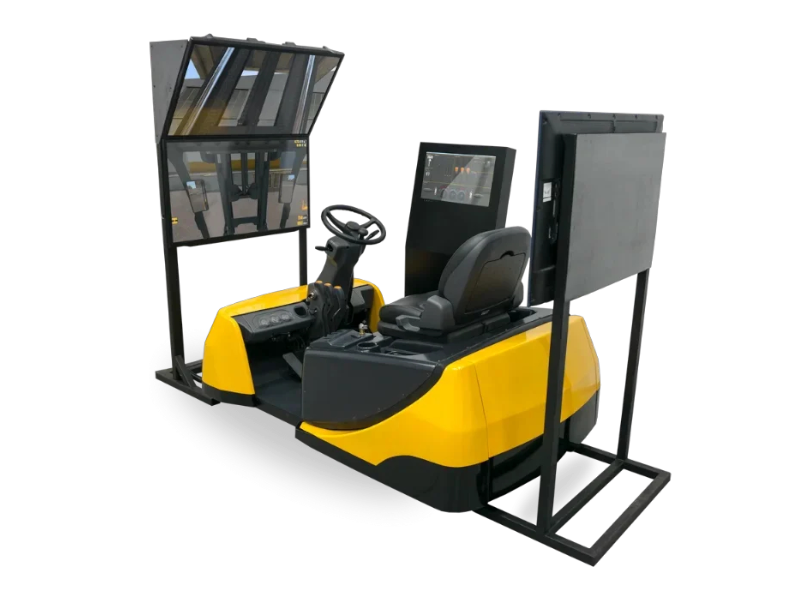
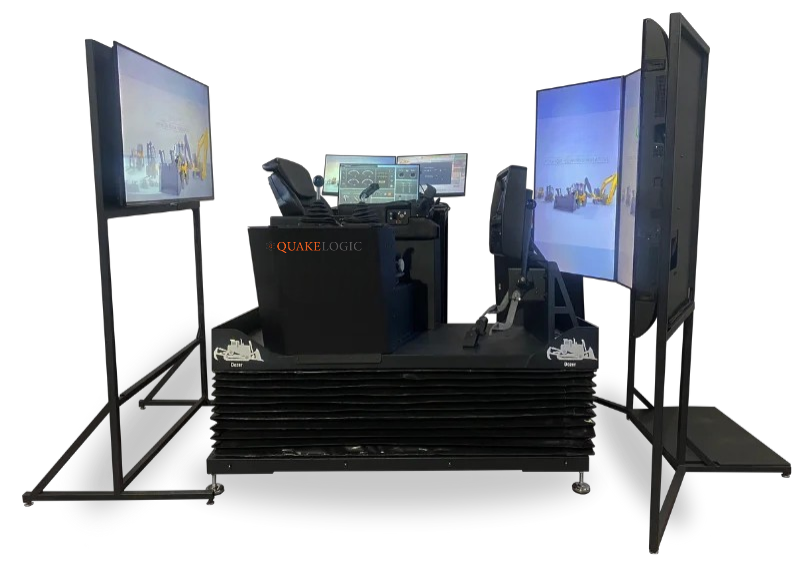
Our VR Excavator Simulator for Defence offers a realistic, immersive training experience to enhance operator skills in a safe, controlled environment. Improve precision, safety, and mission readiness. Trainees practice complex maneuvers and equipment handling without real-world risks. See our module and contact us to learn more or schedule a demo.
Virtual Reality (VR) training module for IED search, detection, and neutralization.
IED Search: Simulated jungle and urban environments with 15 IED models, covering all C-IED phases.
IED Detection: Realistic 3D models of five detection tools with beginner and advanced instructions.
IED Neutralization: Nine tools for realistic neutralization, with immersive sound and visuals.
VR Specs: High-resolution display, 6DoF tracking, 128GB storage, and 3-hour battery life.
Virtual Reality Air Force Simulator
Air Force Simulator: Immersive VR simulator for complete Air Force flight and mission training.
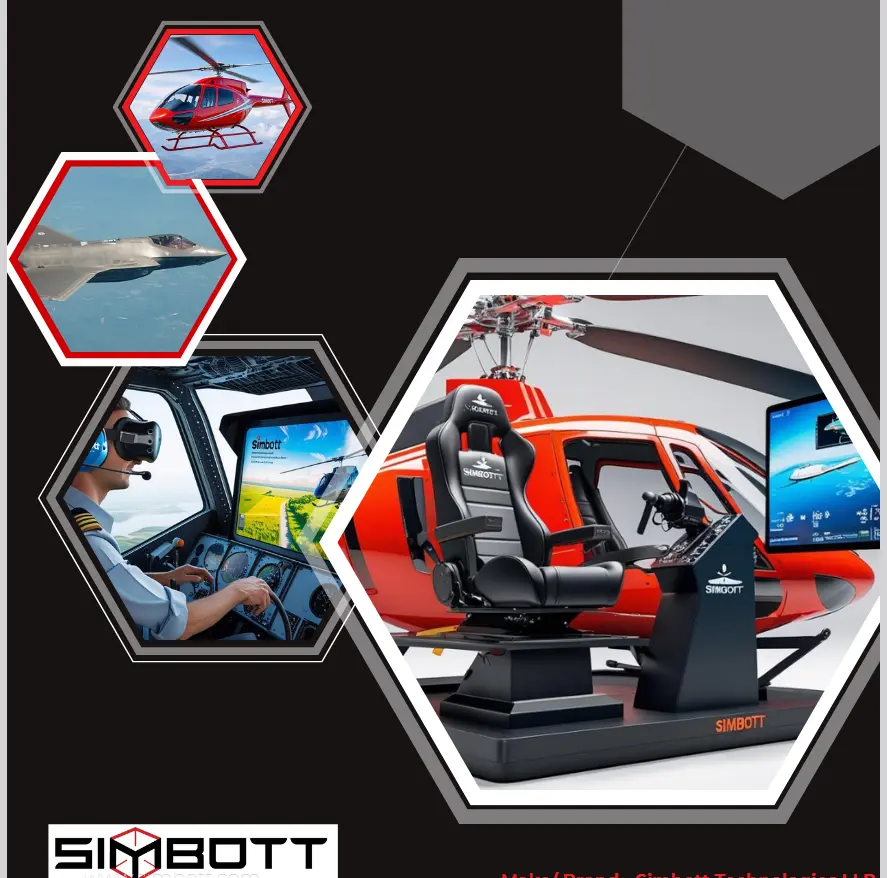
VR Helicopter Training Simulator: Realistic VR platform for helicopter missions, emergencies, and crew drills.
VR-Based Helicopter Training Simulator: Full-cockpit VR training for combat, rescue, and night helicopter operations.
Key Training Components: VR headsets, realistic controls, and customizable mission modules.
Features
Features of our VR Military Training Simulator
A VR military training simulator is a virtual reality platform designed to provide military personnel with realistic training experiences. Some of the features of a VR military training simulator include:
1. Immersive battlefield environment
A VR military training simulator provides a fully immersive environment that simulates the look and feel of a real battlefield. The simulation can include various types of terrain, weather conditions, and scenarios.
2. Realistic physics engine
The physics engine of our simulator is designed to accurately simulate the behaviour of various military vehicles, weapons, and equipment.
3. Interactive training scenarios
VR safety training solutions are not only effective but saves costs and improves worker productivity. Ensuring safe behaviors, identifying at-risk conditions and demonstrating safe work practices through an effectively designed VR safety program is the recipe for sustained success.
VR Technology is literally a game-changer in the field of Electrical training. It also delivers on greater engagement, is more emotionally connected and makes learners more confident about the skills learned the VR way.
4. Customizable training modules
It provides customizable training modules on various aspects of military operations, such as tactics, navigation, and communication
5. Real-time feedback
It provides real-time feedback to soldiers on their performance during the simulation, such as accuracy, speed, and decision-making skills
6. Multiplayer mode
It allows multiple soldiers to participate in the simulation, creating a collaborative learning experience
7. Virtual equipment and weapons
It provides virtual representations of various military equipment and weapons, allowing soldiers to practice using them in a safe and controlled environment.
8. Real-world data integration
It can integrate real-world data such as maps, satellite imagery, and military protocols to provide a more accurate and educational experience.
9. Scenario customization
It allows trainers to customize scenarios and simulate a wide range of situations, from peacekeeping operations to full-scale combat missions.
5 Benefits
5 Benefits of using VR military simulator
Enhanced Combat Training: Virtual Reality-based training platforms provide a highly immersive environment for soldiers to experience realistic combat scenarios.
These systems allow the army to replicate battlefield conditions, improving tactical decision-making and team coordination.
Personnel can face various combat environments such as hostile terrain, urban warfare, and military operations in urban terrain (MOUT), gaining valuable experience without the risks of live exercises.
Cost-Effective Defense Training: Virtual training environments reduce the need for expensive physical resources like ammunition, vehicles, and equipment, making them an economical solution for defense forces.
The ability to conduct repeated sessions without the logistics of live ammunition or specialized gear leads to cost savings while ensuring that soldiers are consistently ready for real-world situations.
Improved Safety and Risk Management: Simulation-based military training eliminates physical dangers, offering a safe environment where soldiers can practice combat maneuvers, strategic military operations, and crisis management.
This ensures that personnel gain essential battlefield experience without the risks of injury or loss of life, all while adhering to safety protocols and risk management strategies.
Versatile and Adaptable Training Scenarios: Virtual training systems offer flexibility in creating a wide variety of mission scenarios.
From peacekeeping to counterterrorism drills, these platforms allow the army to practice under diverse conditions, including varied weather, terrain, and emergency response situations. This adaptability ensures readiness for a broad spectrum of potential operations and conflicts.
Data-Driven Performance Feedback: The use of advanced simulation technology provides real-time performance analytics.
Soldiers receive instant feedback on their decisions and actions during simulated operations, providing valuable insights into their strengths and areas for improvement.
This data-driven approach enhances individual and team performance through continuous assessments.By integrating virtual environments into defense training, the army can significantly boost training efficiency, safety, and cost-effectiveness, ensuring soldiers are well-prepared for a variety of operational scenarios and maintaining combat readiness.