Currently Empty: $0,00


Description
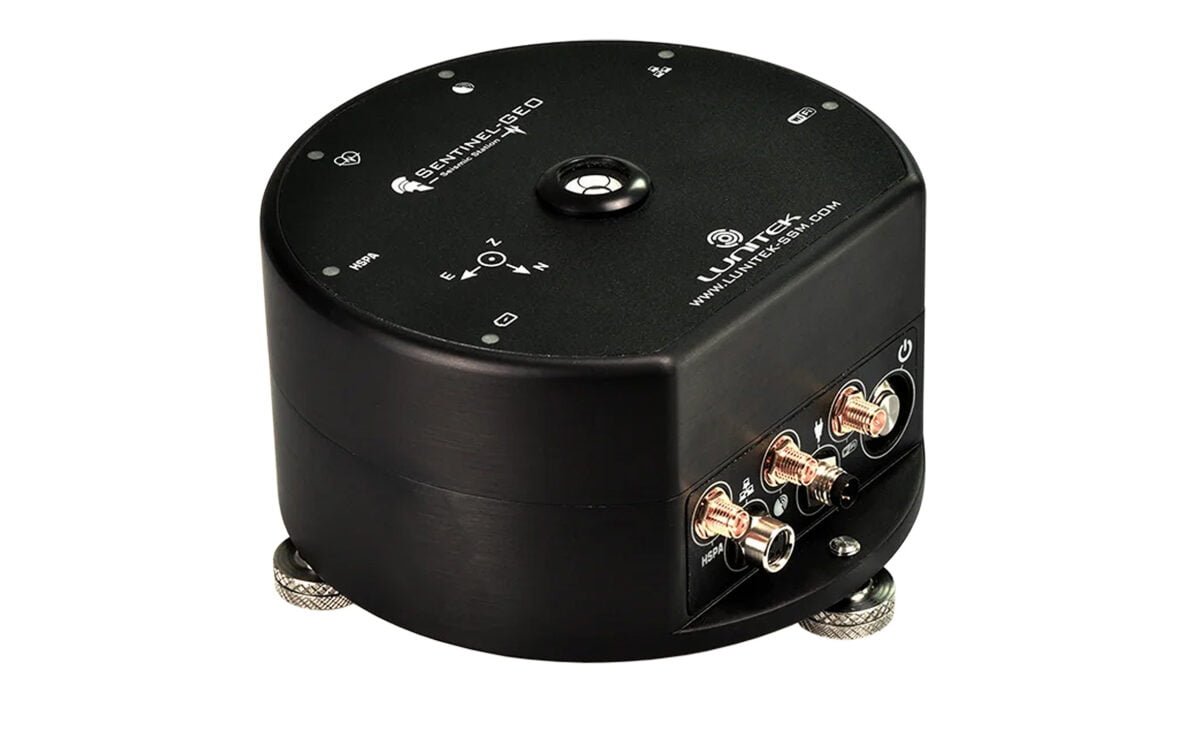
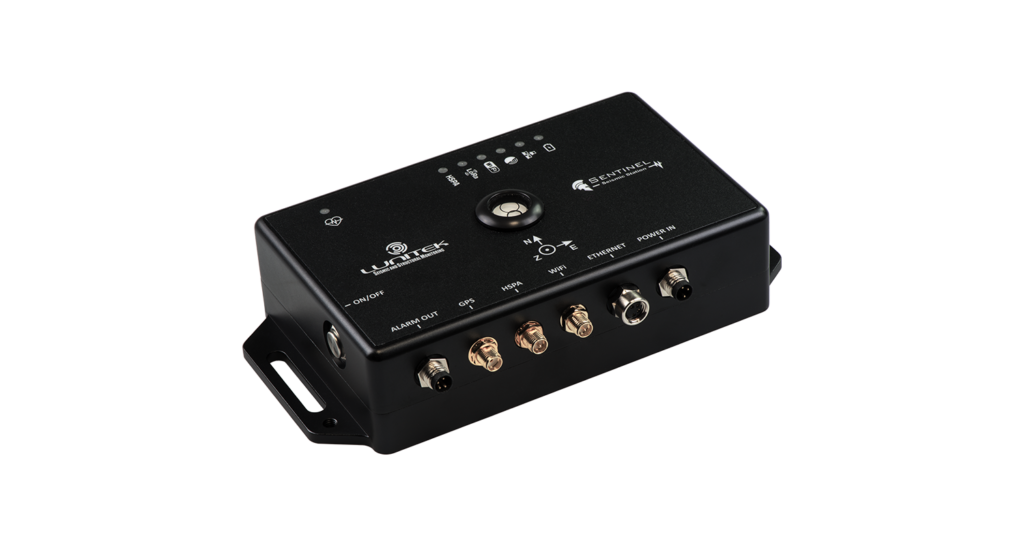
SENTINEL-GEO Seismic Recorder
Highly Performant and Cost-Effective Triaxial Accelerometer + Triaxial Seismometers in One Rugged Field Unit
SENTINEL-GEO is a highly performant and cost-effective seismic recorder designed for local/regional seismic monitoring, structural health monitoring (SHM), earthquake early warning (EEW), and induced seismicity programs. It combines two synchronized triaxial sensors in one instrument:
-
Onboard triaxial MEMS accelerometer (strong-motion optimized)
-
Embedded triaxial velocimeter (three geophones / seismometers) (high sensitivity for weak-to-moderate motion)
This dual-sensor architecture gives you better coverage across a wide range of ground motions—capturing small signals with the velocimeter while preserving strong-motion fidelity with the accelerometer.
Two Triaxial Sensors, One Synchronized Recorder
Triaxial MEMS Accelerometer (Strong-Motion)
The onboard triaxial MEMS accelerometer provides:
-
Dynamic range: 85 dB
-
Self-noise: 20 µg/√Hz
-
Synchronous sampling: up to 500 sps (max rate for 3 simultaneous channels)
This accelerometer is ideal for strong ground motion and scenarios where a velocimeter might saturate.
Triaxial Velocimeter Seismometers (Weak-Motion Sensitivity)
The embedded triaxial velocimeter sensor is built from three geophones (triaxial seismometers) with:
-
Flat bandpass: 4.5 Hz to 100 Hz
-
24-bit synchronous sampling
-
Dynamic range: >120 dB
The velocimeter’s higher sensitivity delivers better seismic detail for smaller motions and ambient/near-field signals.
Why the Combination Matters
Using both a triaxial accelerometer and triaxial seismometers provides a major performance advantage:
-
Velocimeter improves detection and resolution of weak events
-
Accelerometer supports strong-motion events where velocimeters can saturate
-
Both are sampled synchronously for coherent multi-channel analysis
Data, Storage, and Triggering Built for Real Monitoring
MiniSEED Output
SENTINEL-GEO records data in MiniSEED, the standard format for seismic workflows and archives.
Integrated Memory for Continuous + Event Recording
An internal 32–256 GB memory bank supports:
-
Ring-buffer continuous recording
-
Event capture and retention
-
Efficient long-term operation without constant offload
Smart Event Detection
The system supports sophisticated trigger logic to reduce false positives:
-
STA/LTA
-
Threshold triggers
Designed to distinguish environmental vibrations from true seismic events.
GNSS Time Synchronization
An internal GNSS receiver provides absolute time synchronization across your network—critical for array analysis, event location, and multi-station correlation.
Easy Connectivity for Field and Network Deployments
SENTINEL-GEO can be accessed:
-
Locally via LAN or Wi-Fi
-
Remotely via optional internal HSPA modem
Stand-Alone or Networked (MASTER-SLAVE)
Use it as:
-
A stand-alone field recorder for seismic event recording, or
-
Part of a MASTER-SLAVE monitoring network with multiple instruments
It is compatible with TRITON and ATLAS, enabling mixed-instrument networks when higher dynamics are required (e.g., near-field strong motion).
SeedLink Compatibility
With SeedLink, SENTINEL-GEO integrates cleanly with widely used seismic software including:
-
SeisComP3
-
Antelope
-
Earthworm
Integrated UPS for Resilience
SENTINEL-GEO is powered by an external 5–16 VDC source and includes an internal LiPo battery UPS providing approximately:
-
5 hours autonomy during blackout
The battery uses a standard 18650 cell and is designed to be easily replaceable. The optional HSPA modem is also backed up by the internal battery for continuity of communications.
Rugged, Field-Ready Design
The unit is housed in an anodized aluminum enclosure for durability and shock resistance. An adjustable mounting plate simplifies leveling and installation—ideal for field deployments and permanent station installations.
Applications
Local & Regional Seismic Monitoring
With enhanced dynamic range and tuned sensing, SENTINEL-GEO is well-suited for local and regional seismicity monitoring, including dense networks where cost efficiency matters.
Structural Health Monitoring
SENTINEL-GEO is a strong fit for tall buildings and structures where oscillations can be significant. A common strategy is:
-
Place a high dynamic accelerograph on the ground floor (low structural motion)
-
Deploy SENTINEL-GEO units on upper floors where oscillations are larger
SENTINEL-GEO can be interfaced with TRITON and managed using SHM software such as Asclepius, enabling:
-
Real-time condition reporting
-
Post-event structural evaluation
-
Local display or remote transmission of results
Earthquake Early Warning (EEW)
SENTINEL-GEO supports rapid detection and can identify initial P-wave motion and transmit alerts or parameters to:
-
An alarm center, or
-
Directly to predefined users
…before the more damaging S-waves arrive.
It is used in an ongoing INGV project exploring AI algorithms for fast, autonomous detection.
Induced Seismicity Monitoring
For induced seismicity—low magnitude events related to human activity—SENTINEL-GEO offers the sensitivity and connectivity needed for continuous monitoring and event capture.
Application
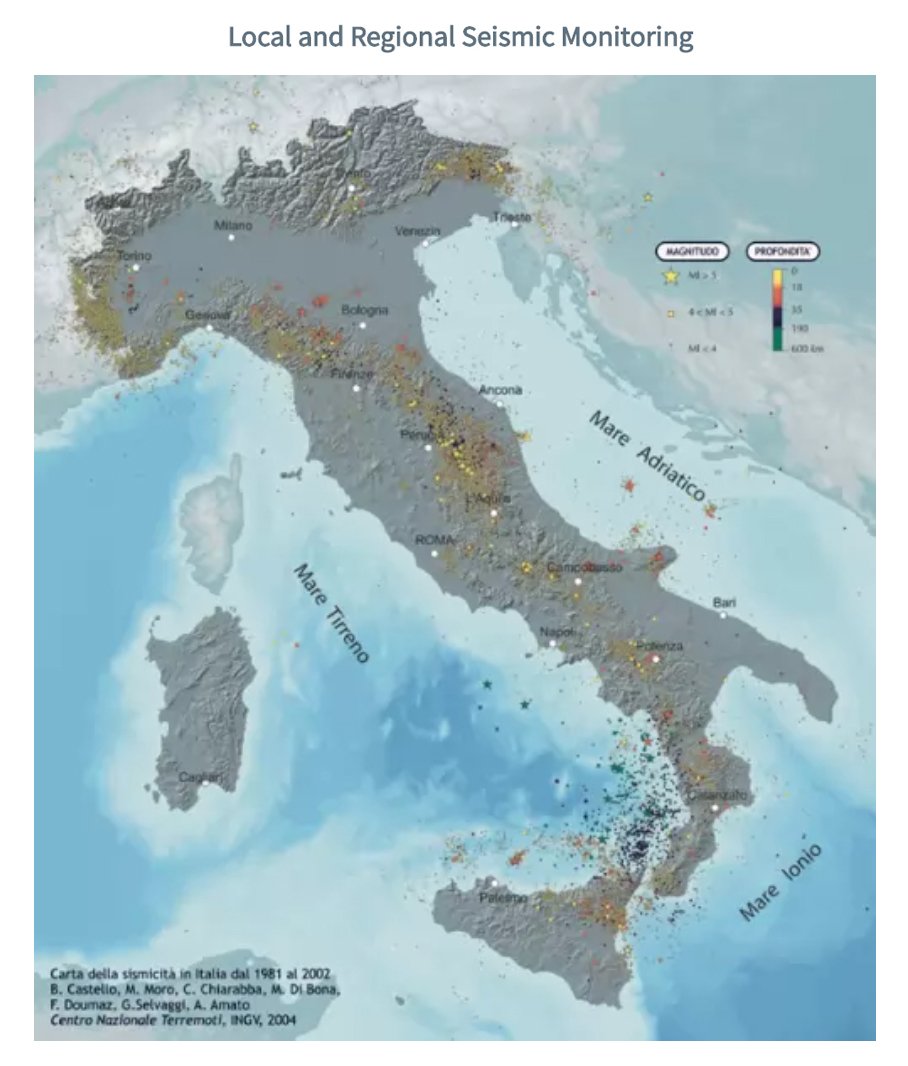 The enhanced dynamic range and the tuned sensors make the SENTINEL-GEO ideal for the local or regional seismicity monitoring.
 Structural Health Monitoring (SHM) is one of the main applications of SENTINEL-GEO.
With tall buildings, where heavy oscillations excite the structure and the amplitude of physical signals is considerable, SENTINEL-GEO performs well even if its dynamic range cannot compete with that of Triton’s.
In a scenario like this, the only high dynamic (and thus more expensive) accelerograph is placed on the ground floor, where the oscillations of the structure are negligible.
SENTINEL-GEO and TRITON can be interfaced and controlled using our software for Structural Health Monitoring of QUAKELOGIC.
A real-time report of the building and a post-earthquake evaluation of the structural damage can be locally displayed or transmitted remotely.
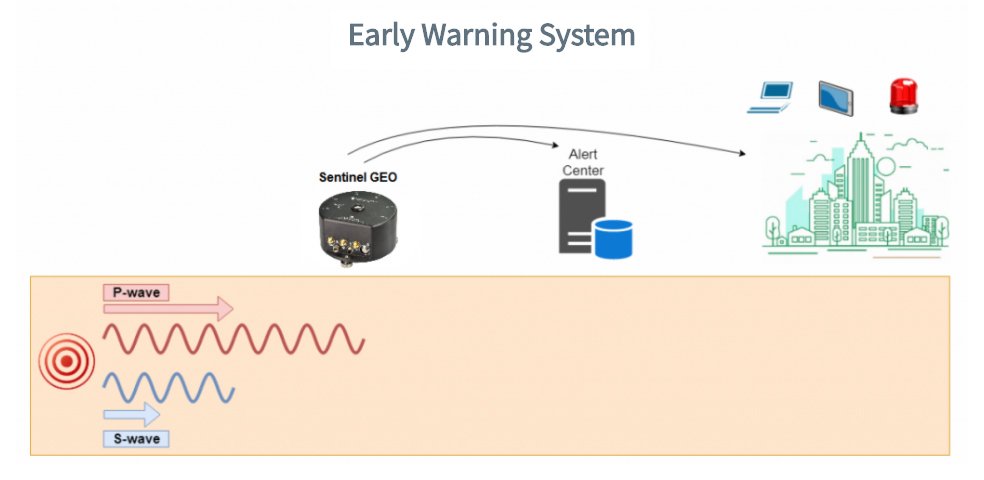 Earthquake early warning concept is the rapid detection of earthquakes and the alerting of people to shaking.
SENTINEL-GEO can detect the non-damaging P-waves and transmit the information about tremors to an alarm center or directly to predefined users before the most damaging S-waves arrive.
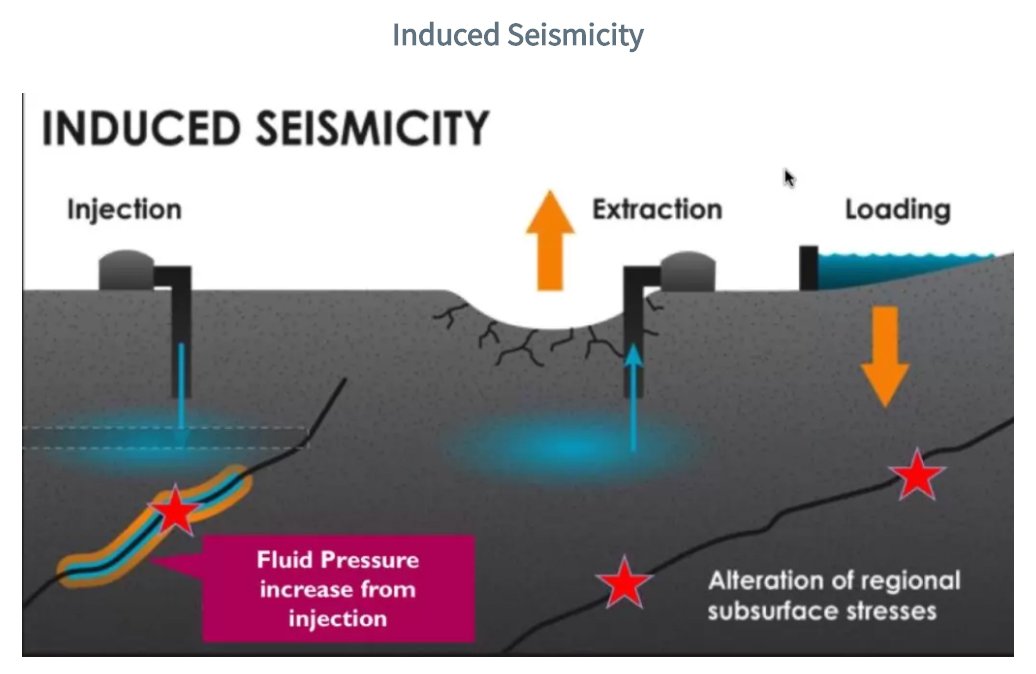 Induced Seismicity refers to low magnitude earthquakes caused by human activity that alters the stresses and strains on the Earth’s crust. SENTINEL-GEO is suitable for this kind of survey.
Datasheet