Currently Empty: $0,00

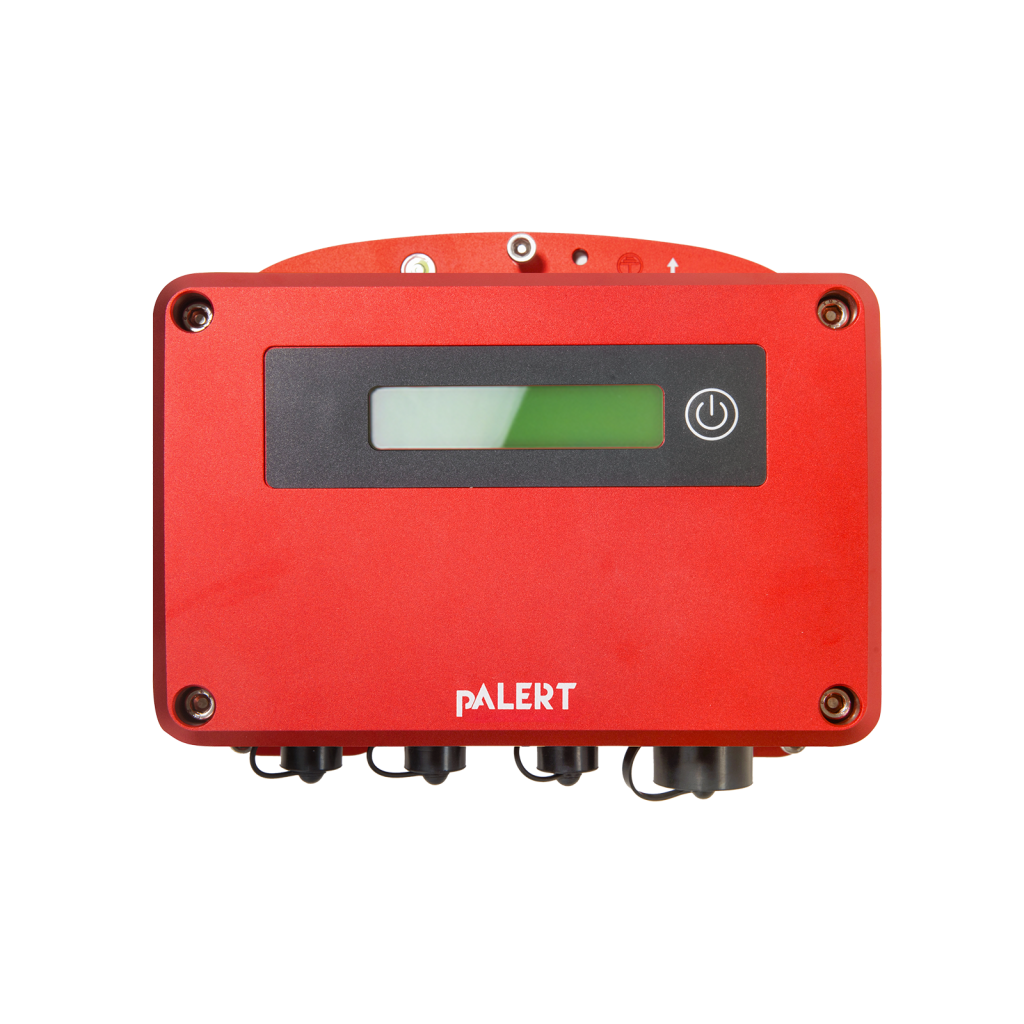
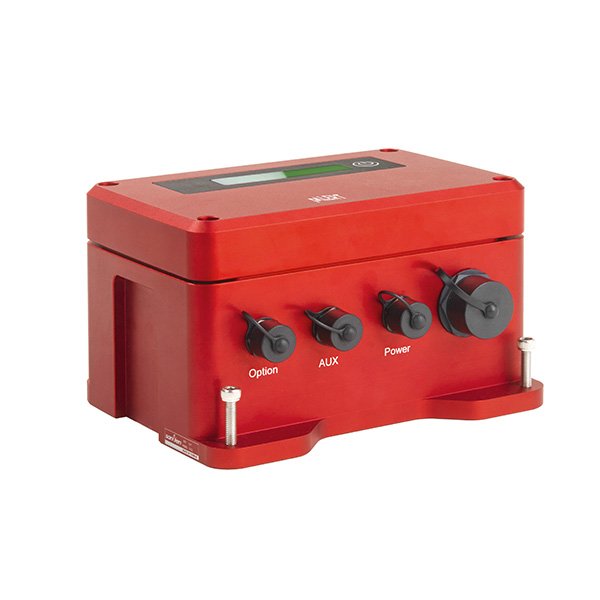
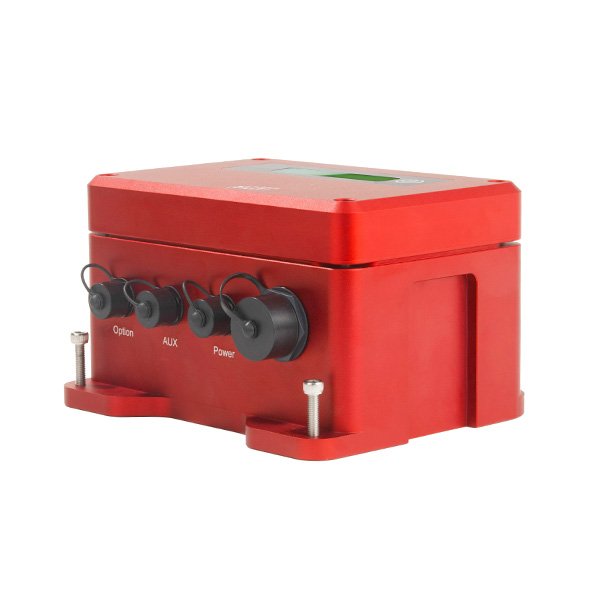
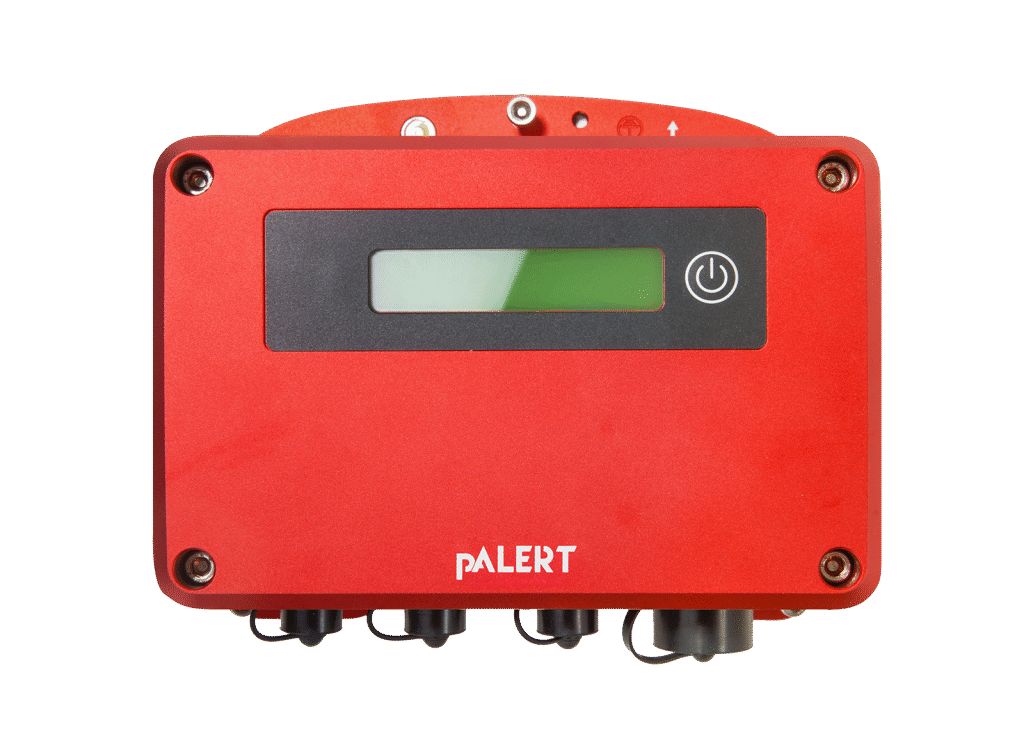
pALERT F330 Earthquake Early Warning Accelerograph – Advanced Seismic Monitoring & Protection System
pALERT F330 is a high-precision accelerograph having force balanced accelerometers designed for earthquake early warning, structural health monitoring, and industrial seismic protection, delivering real-time detection, rapid alerts, and reliable seismic data for critical infrastructure and facilities.
$6.980,00

OVERVIEW
Description
pALERT F330 is a high-performance triaxial force-balanced accelerometer designed for Earthquake Early Warning (EEW), structural monitoring, and industrial seismic protection. Engineered for mission-critical environments, the device delivers reliable real-time detection and rapid alerting to help reduce earthquake-related risks and operational disruptions.
The system integrates advanced detection algorithms with **three trigger mechanisms—Pd, PGA, and STA/LTA—**combined with configurable high-pass and low-pass filtering to suppress non-seismic noise and ensure accurate event detection.
A key advantage of the pALERT F330 is its implementation of Pd-based seismic early warning technology, which enables alerts to be issued before destructive shear (S) waves arrive, allowing critical infrastructure and facilities to initiate protective actions. The device evaluates potential damage when P-wave displacement exceeds preset thresholds within the first few seconds, enabling rapid risk assessment.
The unit automatically records and stores event data, including trigger time, peak ground acceleration (PGA) values for all three axes, calculated seismic intensity, and vector acceleration, ensuring comprehensive event documentation.
For precise timing, the system supports GPS and NTP time synchronization, guaranteeing accurate event correlation across networks. With robust networking capability, the F330 can instantly transmit warning messages to multiple remote servers, while waveform data and event records can be accessed through a browser-based interface for analysis and reporting.
The pALERT F330 supports multiple seismic intensity standards, including:
-
Central Weather Bureau (2020 Taiwan scale)
-
China Seismic Intensity Scale (GB/T-17742-2008)
-
Modified Mercalli Intensity (MMI)
This flexibility allows deployment across diverse regional and international monitoring programs.
Additional information
| Weight | 10 lbs |
|---|---|
| Dimensions | 12 × 12 × 12 in |
Product Specification
| Specification | Details |
|---|---|
| Sensor Type | Tri-axial force-balance accelerometer |
| Output Sampling Rate | 50 sps, 100 sps, 200 sps, 500 sps, 1000 sps |
| Measuring Range | ±0.5 G, ±1 G, ±2 G, ±4 G (selectable) |
| Weight | 4.37 kg |
| Dynamic Range | >130 dB |
| Display | LCD screen with 2 x 20 characters |
| Frequency Range | DC – 200 Hz |
| Storage Capacity | 32 GB (expandable to 64 GB) |
| Nonlinearity | 0.03% |
| Dimension (W x L x H) | 206 x 179 x 120 mm |
| Resolution | 4 channels with 24-bit resolution |
| Seismic Event Record Time | Configurable up to 200 s |
| Cross-Axis Interference | ≦±0.1% |
| Communication | RJ-45 network connection with compatibility for Modbus communication protocol |
*All prices, features, and specifications are subject to change without prior notice.
APPLICATIONS
Applications
-
Earthquake Early Warning Systems (EEWS)
-
Structural Health Monitoring (SHM) for buildings and infrastructure
-
Industrial risk management and safety enhancement
-
Automatic equipment shutdown for disaster mitigation
-
Protection of personnel and production lines
-
Critical infrastructure seismic monitoring
FEATURES
Key Features
-
Real-time on-site earthquake early warning
-
Support for regional EEW network deployment
-
Industry-standard Modbus protocol integration
-
Operates as NTP server or client
-
Optional NB-IoT connectivity for remote deployment
-
Integrated Web GUI for configuration and waveform viewing
-
Multiple trigger logics: Pd, PGA, STA/LTA
-
Built-in seismic noise filtering options
-
Real-time data transmission and cloud integration
USE CASES
Ideal Deployment Environments
-
Industrial and energy infrastructure
-
Manufacturing plants and processing facilities
-
Residential and commercial buildings
-
Public infrastructure and facilities
-
Transportation and logistics hubs
-
Critical facilities requiring automated safety actions