Currently Empty: $0,00


Description
APPLICATIONS
Foundation, Subgrade, and Engineering Geology
- Cavity detection, lava flow mapping, and soil classification.
- Bedrock depth estimation and structural anomaly surveys.
- Roadbed and RCC quality checks, plus reinforcement evaluation.
Tunnel Projects
- Route alignment and surrounding rock classification.
- Lining inspection, bottom-of-tunnel checks, and vibration monitoring.
Large and Medium-Sized Reservoirs
- Dam integrity and hidden defect detection.
- Sedimentation surveys and dredging effectiveness evaluation.
Bridge Projects
- Pier and abutment foundation surveys.
- Pile concrete quality testing and vibration monitoring.
Environmental and Geological Hazards
- Landslide, karst, mined-out area, and active fault surveys.
Mineral Exploration
- Prospecting for metallic and non-metallic resources.
Energy Resources Exploration
- 2D and 3D exploration for coal, coal-bed methane, shale gas, and oil.
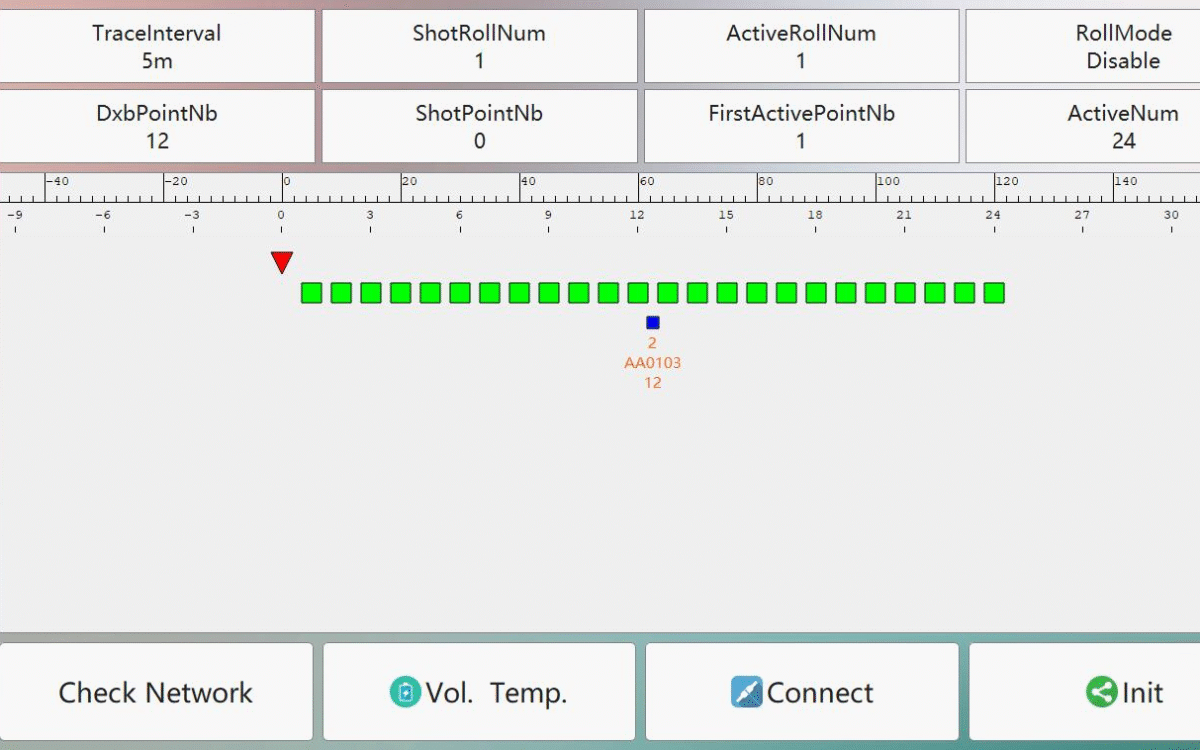
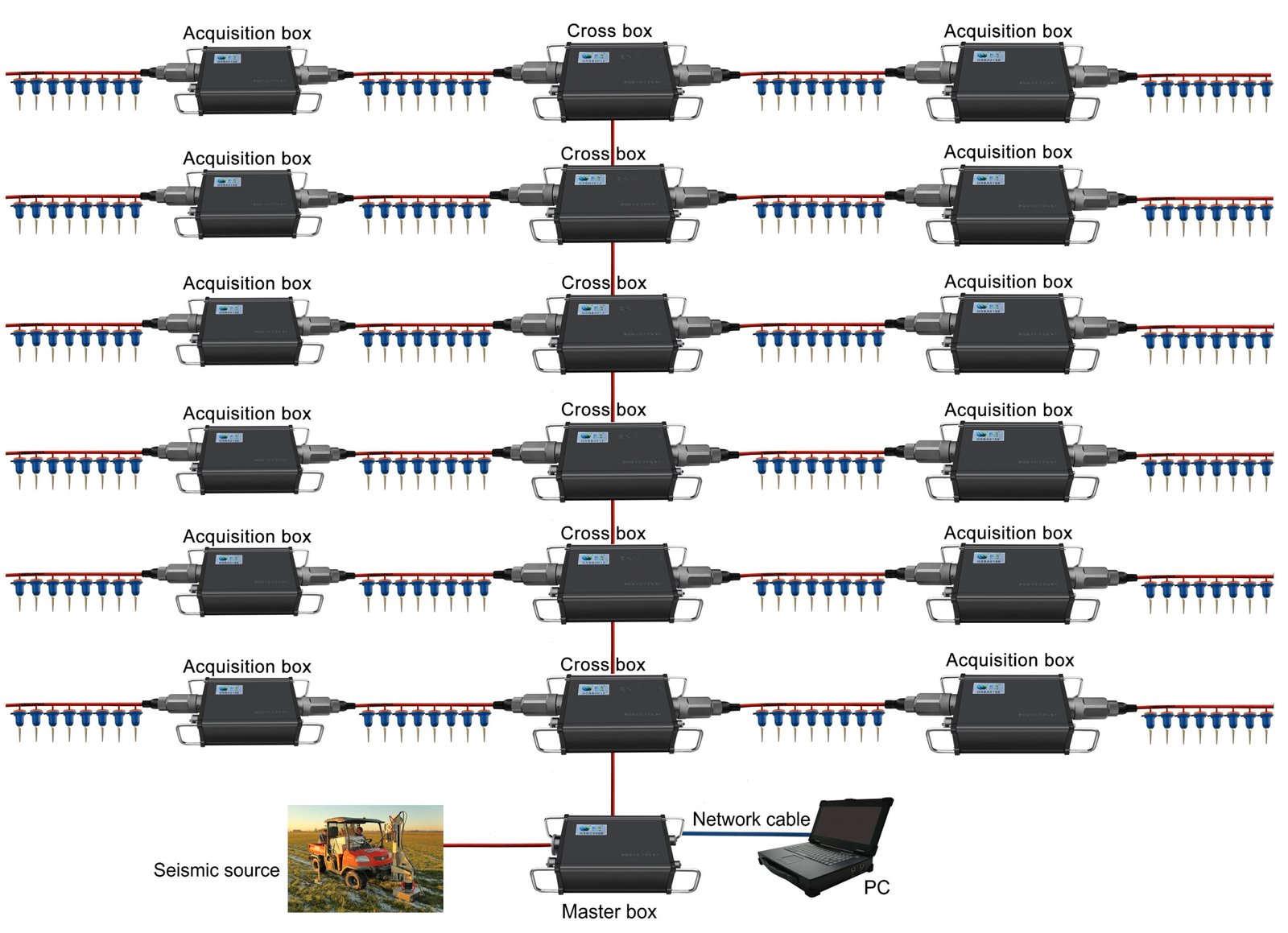
Connection Diagram
SPECIFICATIONS
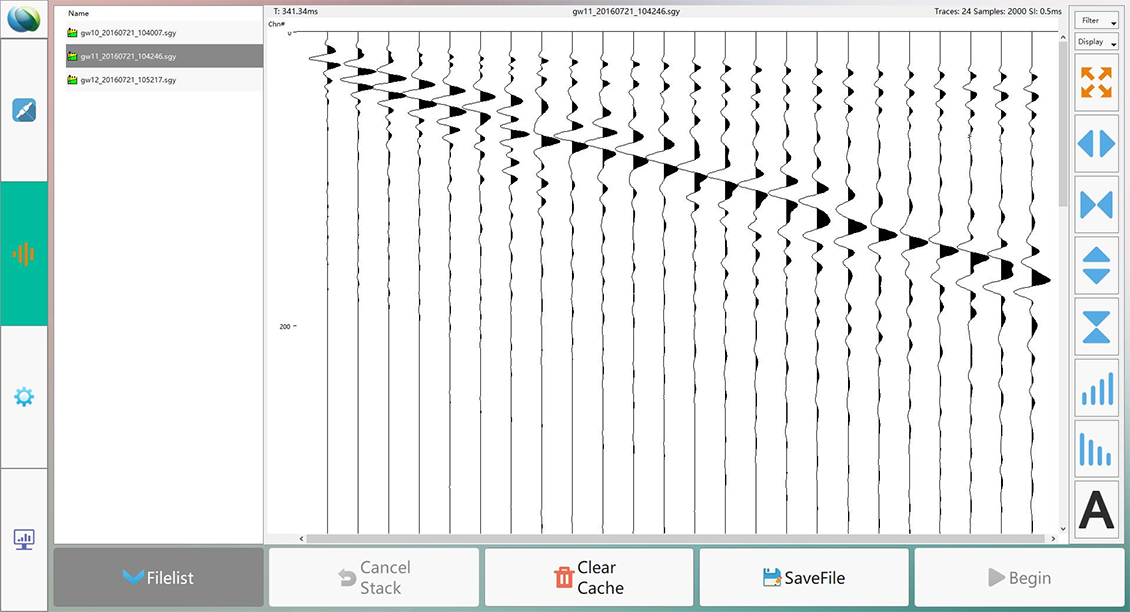
GS201 Mainframe
- Operation platform: Industrial laptops with major indexes reaching standards of military products
- Operation system: Windows XP
- File format: Supports SEG-2, SEG-Y, SEG-D
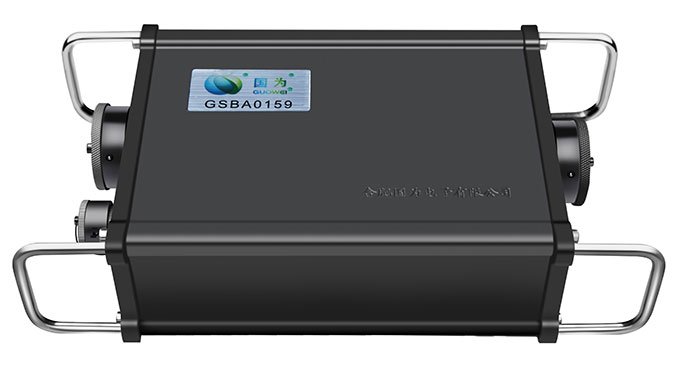
Master Box
- Interface functions: Industrial laptops with major indexes reaching standards of military products
- Working voltage: 10~15V
- Power consumption: 2W
- Storage temperature: -40~85℃
- dimension: 200*150*70 mm
- Weight: 2.5KG
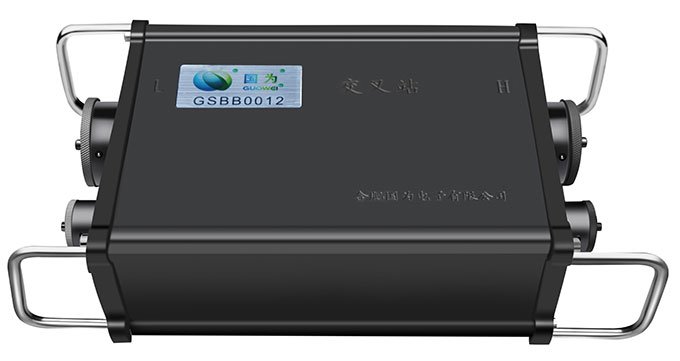
Cross Box
- Working temperature: -40~70℃
- Working Voltage: 10~15V
- Storage temperature: -40~85℃
- dimension: 200*150*70 mm
- Weight: 2.5KG
- Interface functions: Monitoring of station voltage, temperature, etc.
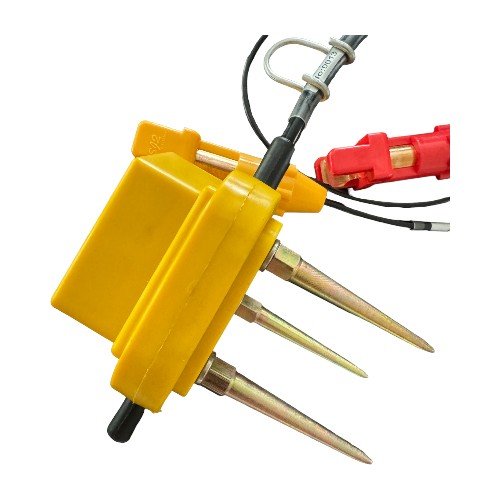
Acquisition station
- Analog-to-digital converter: 32-bit ∑-△ADC
- Sampling: 4ms,2ms,1ms,0.5ms,0.25ms,0.125ms,62.5μs,31.25μs,15.625μs
- Pre-release gain: 0, 6, 12, 18, 24, 30, 36 dB
- Synchronous correction: <1μs
- Noise: 1.20mv (sampling interval 1ms, pre-release gain 0dB); 0.11mv (sampling interval 1ms, pre- 36dB)
- Single-channel power consumption: Operating mode 0.25W; standby mode 0.10W
- Dynamic range: >124 dB
- Harmonic distortion: <-112 dB
- Gain accuracy: <0.1%
- Common-mode rejection ratio: >110 dB
- Differential input impedance: 20KΩ/50nF
- Full amplitude input: 3.75 Vpp
- Stopband attenuation: >140dB
- Working voltage: 10~15V
- Storage temperature: -40~85℃
- Working temperature: -40~70℃
- Common-mode input impedance: 100KΩ
- Weight: 2.5kg
- dimension: 200*150*70 mm
- Interface functions: Monitoring of station voltage, temperature, etc.
Key Functions
- Mainframe
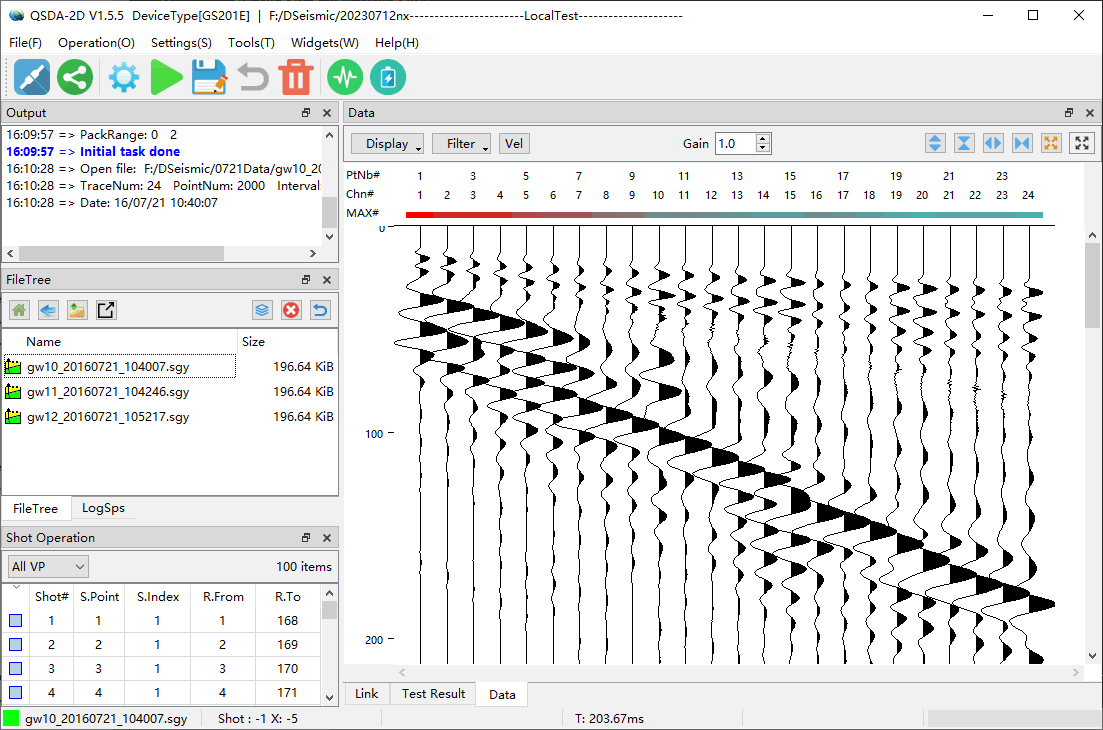
- Instrument parameters to configure performance indicators
- Real-time status monitoring of original cases
- Data storage, display, drawing and printing
- Main control station
- Issues orders
- Receives data uploaded by the cross station, and transmits to the mainframe through the network port
- Earthquake source interface
- Monitoring of station voltage, temperature, etc.
- Cross station
- 2D and 3D measuring line gathers data and also serves as a collection station
- Monitoring of station voltage, temperature, etc.
- Cross station
- Supports 2-channel, 4-channel, 6- channel- and 8-channel configuration for single station
- 32-bit analog-digital conversion
- Self-test indicators
- Monitoring of station voltage, temperature, etc.
Case Study
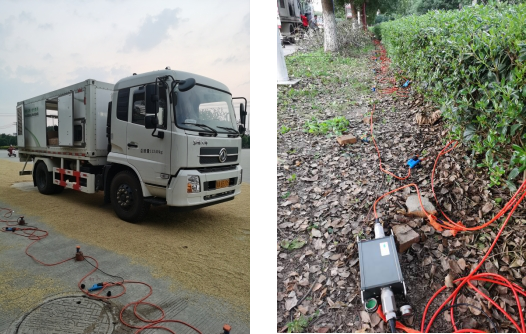
Case Study: Huaye Regional Earthquake Safety Assessment
-
Location: Ma’anshan, Huaibei, Suzhou, and Hefei (China)
-
Duration: October 4 – December 8, 2020
-
Weather: Sunny to cloudy conditions
-
Equipment: GS201 Distributed High-Precision Seismograph
-
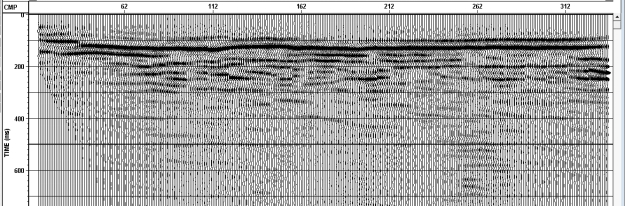
Survey Parameters: 72-channel acquisition, 4 m channel spacing, 48 m offset, 6-fold coverage, 24 m shot spacing, 2 kHz sampling rate
-
Outcome: Bedrock surface and Quaternary stratigraphy matched existing data, supporting a reliable regional earthquake safety evaluation.