Description
Overview
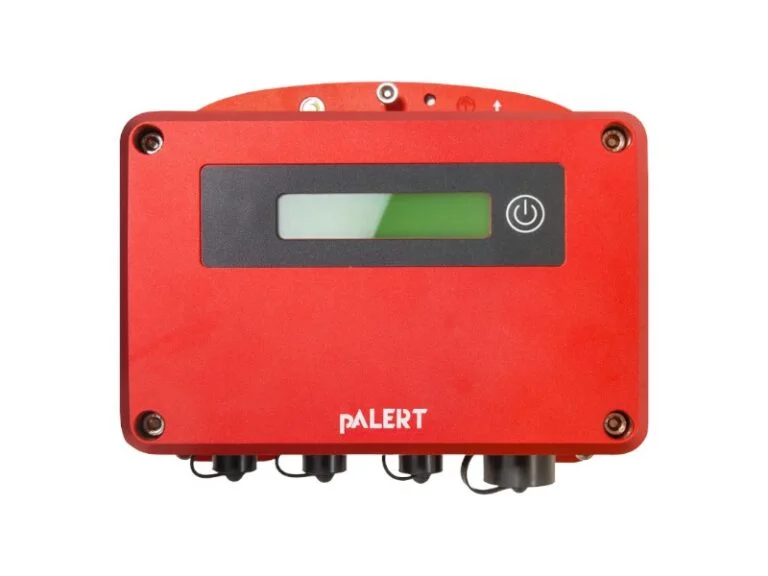
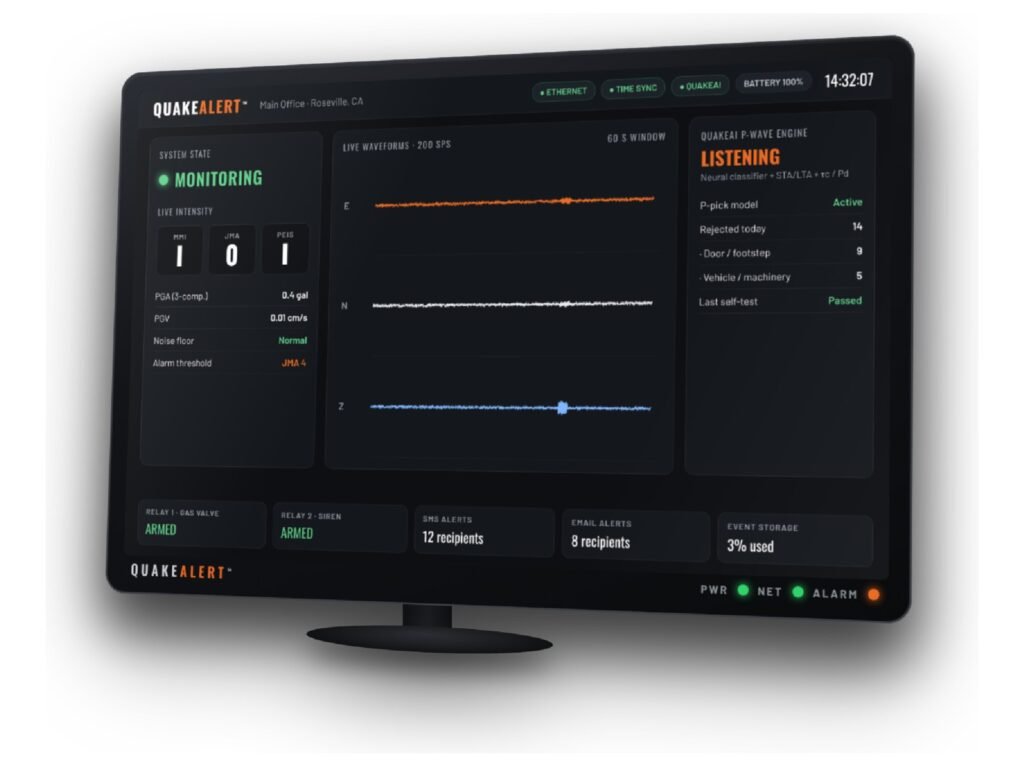
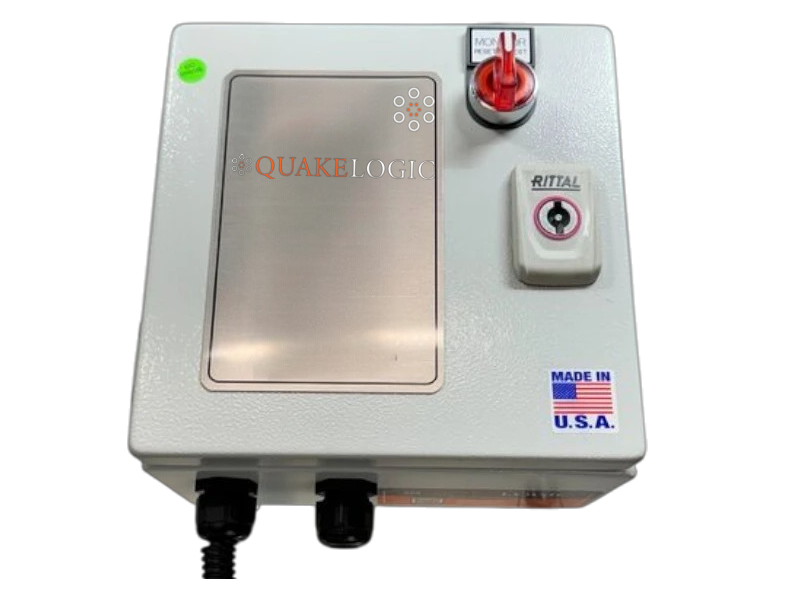
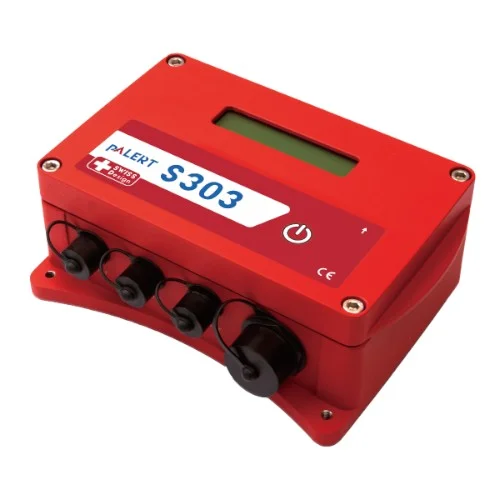
GL-P2A is a QuakeLogic engineering product for technical measurement, laboratory work, field deployment, education, and industrial procurement workflows. The product is positioned for buyers who need technically appropriate equipment, clear application fit and a practical path from evaluation to quotation.
Applications
- technical measurement.
- laboratory work.
- field deployment.
- education.
- and industrial procurement workflows.
- Procurement and engineering review within the Earthquake Early Warning, Earthquake Early Warning System product area.
Technical Strengths
The main technical value of GL-P2A is its support for application-specific configuration, engineering review support, and integration into broader QuakeLogic systems. The page should be used as a starting point for engineering review, with final selection based on required capacity, environment, interfaces, accessories and documentation.
Typical Users
This product is most relevant for engineers, researchers, educators, procurement teams, and technical operators. It is written for technical buyers who need enough context to shortlist equipment before requesting drawings, datasheets, lead time, integration details or a formal quotation.
Configuration and Integration Notes
Final configuration, options, documentation and compatibility should be confirmed with QuakeLogic before procurement. QuakeLogic can review sensor, controller, software, fixture, accessory, training and documentation requirements where those items apply to the selected system.
Why Buyers Choose This Product
Buyers choose GL-P2A when they need a product-specific solution rather than a generic catalog item. The intended value is a clearer fit between the application, the technical configuration and the procurement workflow. It fits naturally alongside related QuakeLogic products such as GL-P2B, GL-P2C, GZ-GN4 when building a complete system or comparing alternatives.
Related Products
Support
Contact QuakeLogic for application review, quotation support, documentation requests and help comparing this product with related systems.
Warranty & Support
Warranty & Support
Warranty, service, training, calibration, commissioning, and support requirements should be confirmed with QuakeLogic for the selected configuration and project scope.